
Wednesday, November 4, 2026
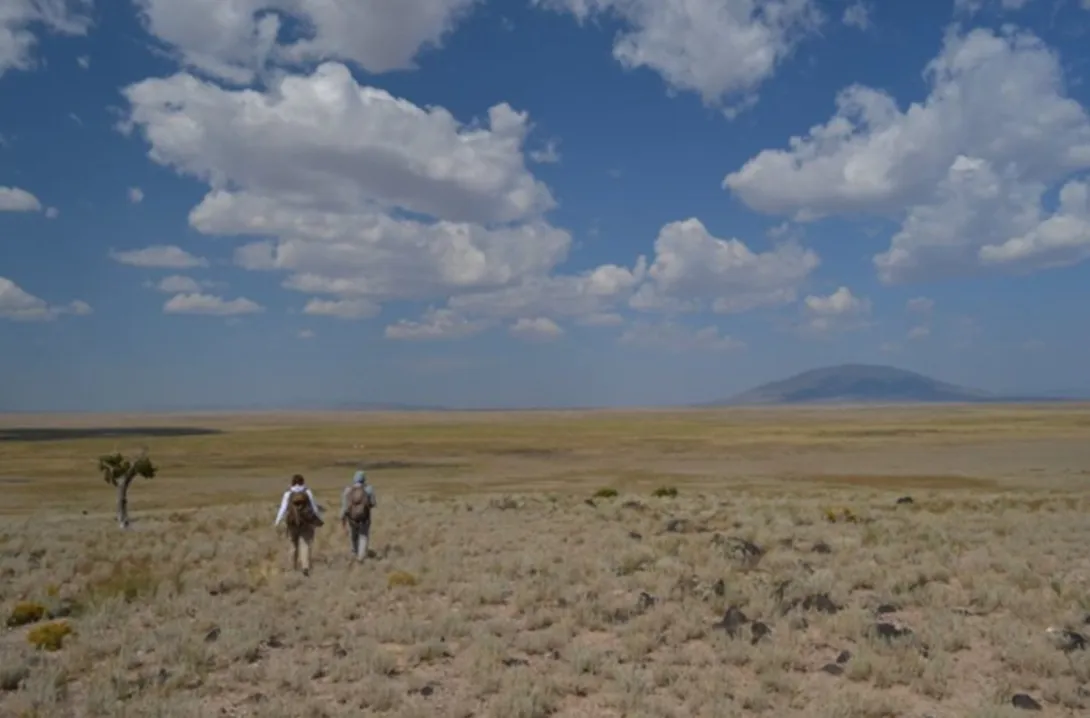
On the open plateau north of Cerro, a familiar landscape is at the center of a careful conversation this week. The Bureau of Land Management Taos Field Office, in partnership with the U.S. Wildland Fire Service, will conduct aerial herbicide treatments across approximately 2,929 acres of BLM-managed land in northern Taos County. The treatment area is located north of Cerro Chiflo and east of Cerro de la Olla, also known as Pot Mountain. The work will occur for approximately three days during the first two weeks of November, subject to favorable weather conditions, in country that Questa and Cerro residents know as grazing land, wildlife habitat, and the wide sagebrush backdrop to daily life.
The Bureau of Land Management says the goal is to thin, not to clear, that sagebrush. In its announcement, the agency says the treatments enhance native plant diversity by thinning dense stands of sagebrush, allowing native grasses, forbs, and other herbaceous vegetation to thrive. The resulting ground cover helps stabilize soils, reduce erosion, and strengthen wildlife habitat, rangeland conditions, and watershed health. The agency also says reducing woody plant density can lower the potential for rapid fire growth, reintroduce the possibility of prescribed fires, and give fire managers more flexibility when responding to wildfires.
During the treatment, a low-flying aircraft will apply tebuthiuron pellets, a soil-activated herbicide that inhibits photosynthesis, directly onto dense brush. The Bureau of Land Management says the pellet form remains within the treatment area and has minimal impact on desirable grasses and forbs. Once dissolved by precipitation, the pellets are absorbed into the soil to a depth of about two feet and are taken up by the target plants' root systems, gradually reducing sagebrush density. Pellets will not be applied near waterways. The agency notes that tebuthiuron has been used since the 1980s to manage sagebrush and juniper, and that its own vegetation studies on past treatments found an average of 75 percent less bare ground and 120 percent more perennial grass cover compared with untreated plots. Its stated goal is to reduce, not eradicate, these woody species.
Some neighbors are asking for a second look before the pellets fall. A petition published on October 29 urges the Bureau of Land Management and the U.S. Wildland Fire Service to re-evaluate the use of tebuthiuron in this operation. It argues that non-target plants could be harmed, that wildlife depends on the ecosystems sagebrush supports, and that groundwater could be at risk if the pellets leach into the soil. It suggests mechanical clearing or controlled burns, involving local restoration ecologists in decision-making, and increased public consultation instead. Organizers also called a community gathering for Monday, November 2, at 9:00 a.m. at the BLM Taos Field Office, asking for answers about potential effects on local water, wildlife, native vegetation, soil, and the future of public lands.
For people heading out on the plateau this week, the practical guidance is simple. All treated areas will remain open to the public, but the Bureau of Land Management requests that visitors give space to staff, aircraft, and other equipment required for the treatment. Recreational drone use within the treatment area will be temporarily prohibited during the treatment, and signs announcing the treatment will be posted at nearby informational kiosks. Wednesday in Questa is mostly sunny with a high near 54 degrees and no weather alerts, after a clear, cold morning near 30 degrees. For more information, the agency lists BLM Taos Natural Resource Specialist Kyle Ott at 575-377-5656 and Wildland Fire Service Fire Planner Marinha Santos at 575-751-4742.