Some of the most surprising rocks in Taos County weigh almost nothing in the hand. Perlite and pumice are both volcanic glass, born from the same silica-rich rhyolite eruptions that shaped the country around Questa, yet they formed in opposite ways. One drank in water slowly over millions of years, and the other froze in a single frothy moment during an eruption. Learning to tell them apart is a fine way to read the volcanic story written across our hills.
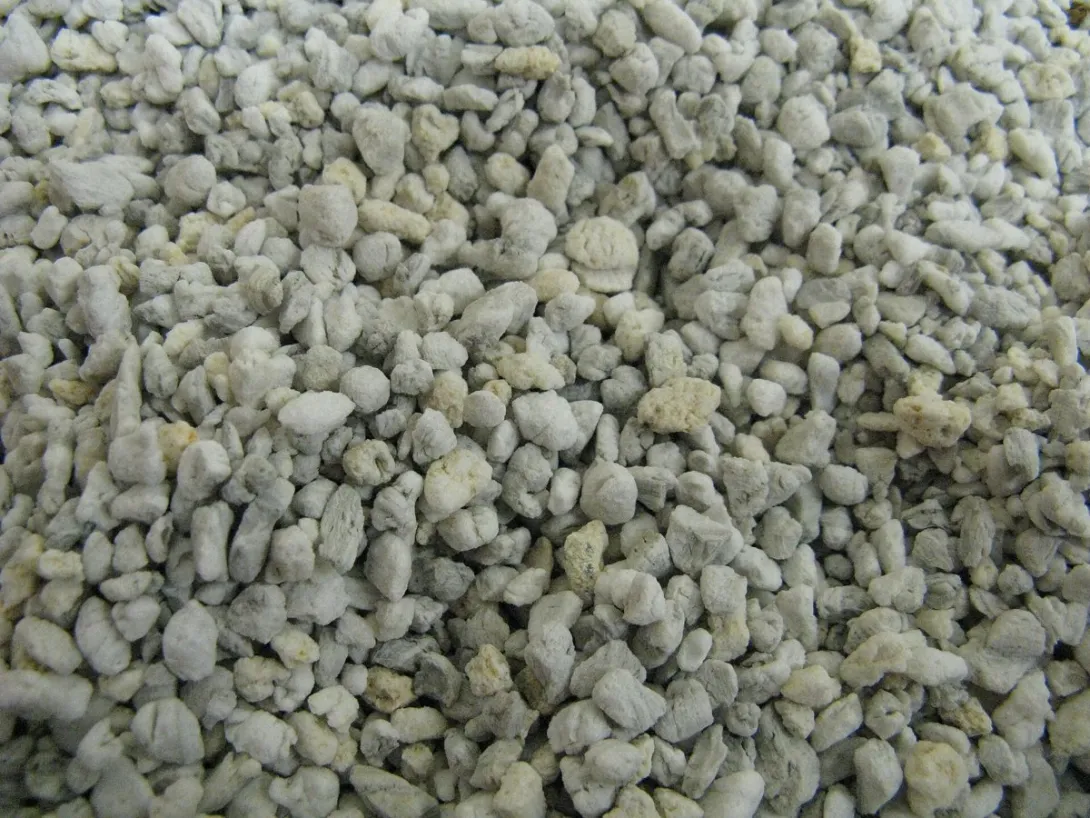
Perlite begins as obsidian, the dark, dense glass of a rapidly chilled rhyolite flow. The United States Geological Survey has shown that perlite forms when that shattered rhyolitic glass slowly hydrates, taking in meteoric water until it holds about two to five percent water by weight. As it hydrates, the glass develops curved, concentric cracks that geologists call perlitic or onion-skin fractures, and its color lightens to a pearly gray. Heat that same rock in a furnace and the trapped water flashes to steam, puffing each grain outward like popcorn. That expanded perlite is the white, lightweight material gardeners know from potting soil, and it is also used in insulation and construction.
Click to see more photos of perlite
Taos County holds a world-class example. The New Mexico Bureau of Geology and Mineral Resources describes the deposit at No Agua Peaks, in Taos County north of Questa, as a world-class deposit, and New Mexico Geological Society research calls it the world's largest perlite deposit. It formed about 3.9 million years ago, when high-silica rhyolite lava flows, roughly seventy-six percent silica, chilled quickly enough to form thick zones of obsidian. Weathering and hydration of those fractured, bubbly glass zones later turned much of the flow into perlite. The No Agua Peaks are an active industrial mining area, not a collecting site, but their geology explains why glassy, pearly rock turns up across our volcanic country.
Pumice tells the faster half of the story. The National Park Service describes pumice as volcanic glass foam: when sticky, gas-rich rhyolite or dacite magma erupts, dissolved gases rush out of solution in a microsecond, blowing the melt into froth. The froth cools and hardens in midair, trapping millions of tiny sealed bubbles called vesicles. A dry piece is so full of air that it can float on water, at least until it slowly becomes waterlogged and sinks. Near the tops of rhyolite flows, geologists even find pumiceous perlite, a reminder that these two glasses grade into one another in the same volcano.
In the field, weight is your first clue. Pumice feels feather-light, looks pale and spongy, and is riddled with tiny holes. Perlite feels denser and glassier, often gray and pearly, and broken pieces may show those curved onion-skin layers, sometimes wrapped around a dark core of unhydrated obsidian. Photo by KENPEI, Wikimedia Commons, licensed under Creative Commons Attribution-Share Alike 3.0.
Know before you go: Collect only where collecting is legal. The No Agua Peaks perlite deposit is an active mining area and is not open to collecting, and you should never collect on private land, on an active or unmarked mining claim, or in any place where collecting is prohibited or unclear. On Bureau of Land Management public lands, federal rules generally allow collecting reasonable amounts of rocks and mineral specimens for personal, noncommercial use, but rules vary by place, so check with the land manager before you go and follow posted signs. Respect mining claims and private land, use hand tools only where they are allowed, and pack out what you pack in.